Service Design for good.
The birth of a not-for-profit organization that focuses on improving the lives of street dogs and cats and reducing animal suffering in a rural part of Mexico by funding spaying and neutering campaigns for low-income rural communities. From side-project to charitable foundation. How to make something from nothing.
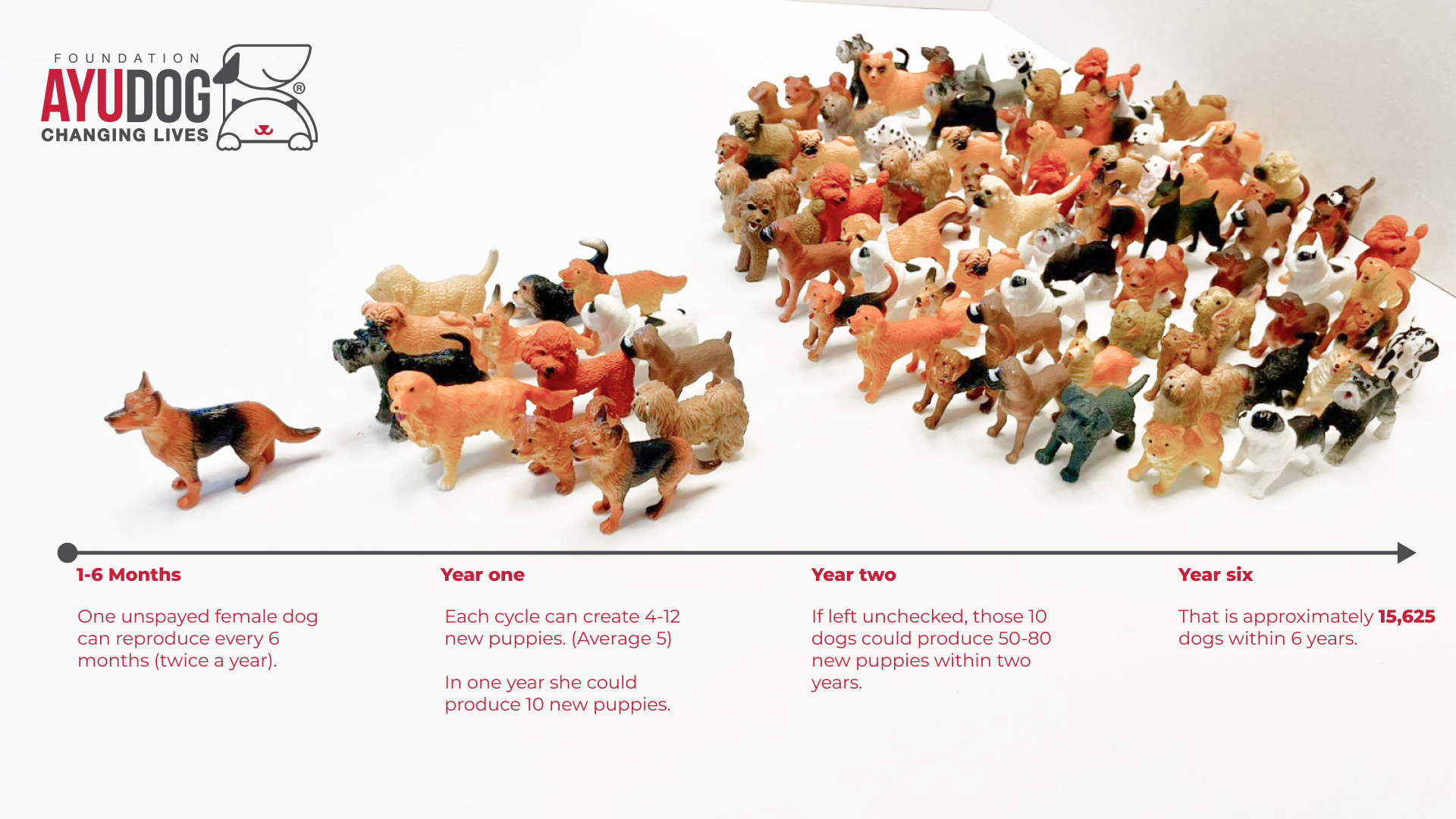
Ayudog started as a non-profit addressing stray dog and cat overpopulation in Valle de Bravo and surrounding rural areas. We fund educational campaigns and spaying and neutering events, coordinate events with local veterinary clinics and government, and support a rescue shelter. Ayudog has funded 5,800 spay and neuter procedures of dogs and cats. This has prevented the birth of 29,000 unwanted animals in the first six months. That is 18,125,000 animals off the streets in the next five years. We use system mapping, stakeholder analysis, journey mapping and service blueprinting to understand intake processes and vulnerable stakeholders. We continuously revise our processes to provide support as our needs change.
Designed and executed research activities to map and improve processes like international flight experience of dogs when we partnered with Canadian organization Save Our Scruff to rehome shelter dogs.
Applied More-Than-Human Centred Design to develop the service blueprint for spaying and neutering processes, which prioritized the experience of the animals we serve first, then the experience of vets and volunteers. This reduced separation anxiety and conflict in the waiting room, which benefits all actors involved. Animals now go under anesthetic with their guardian and come out of anesthetic with their guardian.
Deployed design at the strategic level to secure Ayudog's status as a charitable foundation and expand operations to serve many rural, low income, and indigenous communities in the state of Mexico.
Pioneered the implementation of a transportation service that expands the range of impact and removes barriers of access for people that cannot transport themselves and their pets to spaying and neutering events in rural areas.
Created a new funding stream for the organization by partnering with a vineyard to produce a boutique wine that increased donations.
The design problem
I co-founded Ayudog in 2018 after our intervention gained momentum. It all started a few years back when I was living in Valle de Bravo, a small rural town in Mexico. I noticed that street dog and cat populations had exploded, and it was a common sight to find animals in terrible health conditions, starvation, disease and/or injury from living on the streets and highways. I decided to do something about it and quickly realized that because there were over 15,000-20,000 street dogs and possibly double the amount of cats just in Valle de Bravo region, this was a systemic problem. Finding a good home for each animal was not a viable solution. This overpopulation was created by human mismanagement of their pets, income inequality, poor government involvement, and a flawed belief system around spaying and neutering. We realized that the services (government-run spaying and neutering community events) available for low-income stakeholders were abysmal and even threatened the safety of the animals. This was an opportunity for me to use the power of design to solve this socio-economic problem and help vulnerable populations of humans and animals.
The Challenge
There were many different challenges at play here.
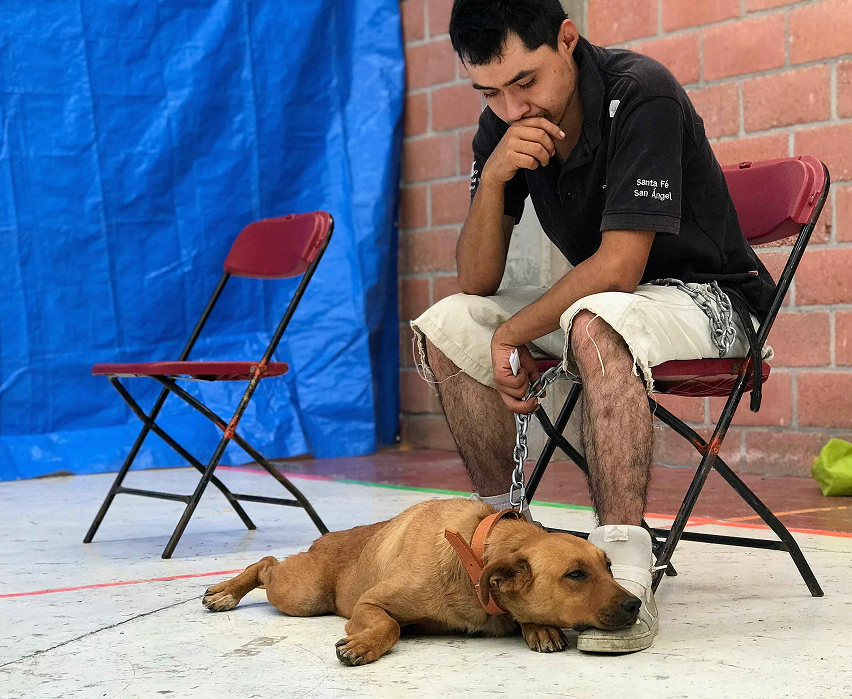
Animals now go under anesthetic with their guardian and come out of anesthetic with their guardian.
The first challenge we had to get through was the psychological barrier within the culture—the idea that spaying and neutering is unnatural, dangerous, expensive and would have many negative effects. Common myths I heard included the fear that male dogs would lose their masculinity or female dogs need to have at least one litter of puppies to be happy. Some people thought that spaying and neutering was going against the will of God and that we should not intervene. We gathered these insights by engaging with users directly and talking to them about the problem we were trying to solve. We realized that a big part of the problem was lack of education and an old rooted belief system. We decided to create an information booklet dispelling myths and half truths about spaying and neutering. When confronted with new and evidence-based information, some people would start to change their mind.
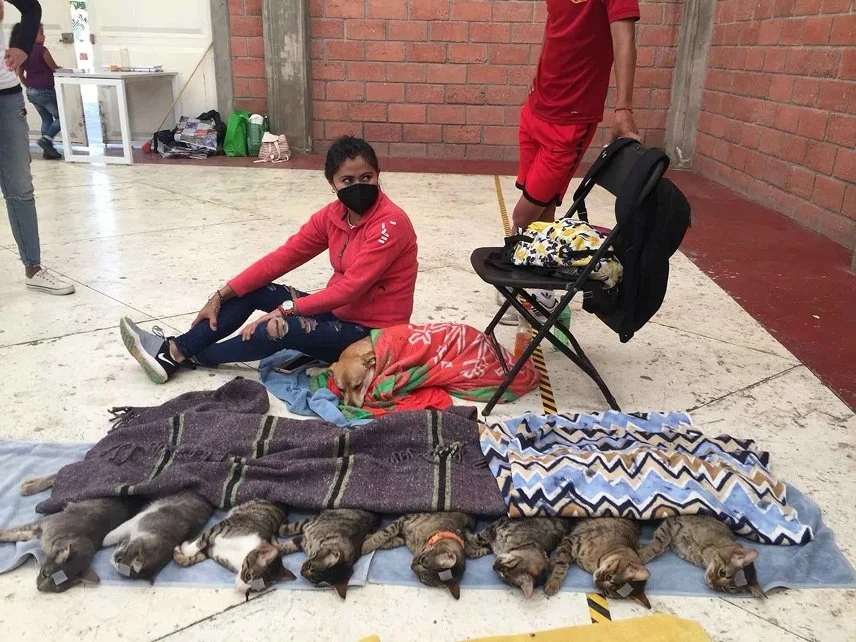
The real cost
of nine spaying and neutering procedures would have been between 13,500$ and up to 27,000$ MXN pesos (Approximately 1000-2200$ CAD)
The second barrier was an economic barrier—we did not have pockets lined with gold to support this mission, and our stakeholders did not either. The average daily salary for a male construction worker in Mexico at the time was about 800$ MXN pesos; a female house cleaner could make less than 600$ MXN pesos a day. It would cost about 1,500-3,000$ MXN pesos to have one dog or cat sterilized at the vet clinic plus transportation costs to and from.
This expense represented a quarter of their monthly income. Most rural households in Mexico have at least 1-5 dogs around their property, and sometimes up to 10-15 animals per house living on scraps and old tortillas while roaming the streets.
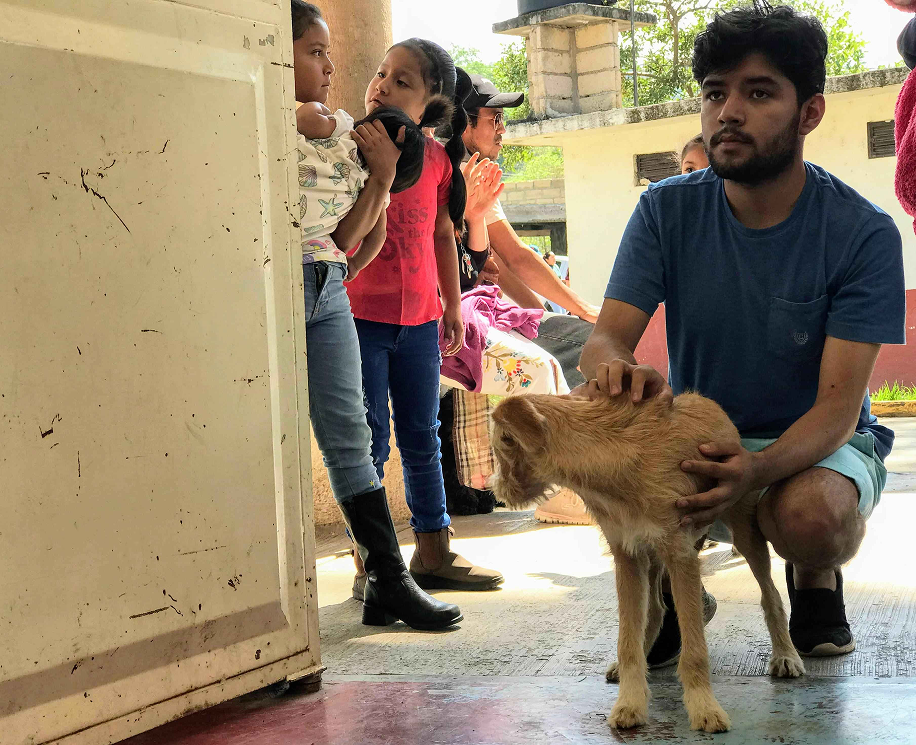
The third barrier we had to overcome was an organizational barrier and a team communications barrier. After convincing friends and neighbours about the importance of spaying and neutering their animals to prevent an increasing population of dogs and cats that would lay an economic burden on them, we facilitated the transportation of the animals to a government-organized public spaying and neutering event at a local fire station in town.
We arrived an hour earlier than scheduled for 9:00 am because we did not know what to expect. To our surprise there was already a small crowd of 15-20 people outside the fire station waiting to sign up their animals for a spot. The veterinarian technicians had not arrived, nothing was set up yet and there was nowhere to sit, so we waited on the crowded sidewalk where people had their dogs on leashes/rope and cats wrapped in towels and tote bags.
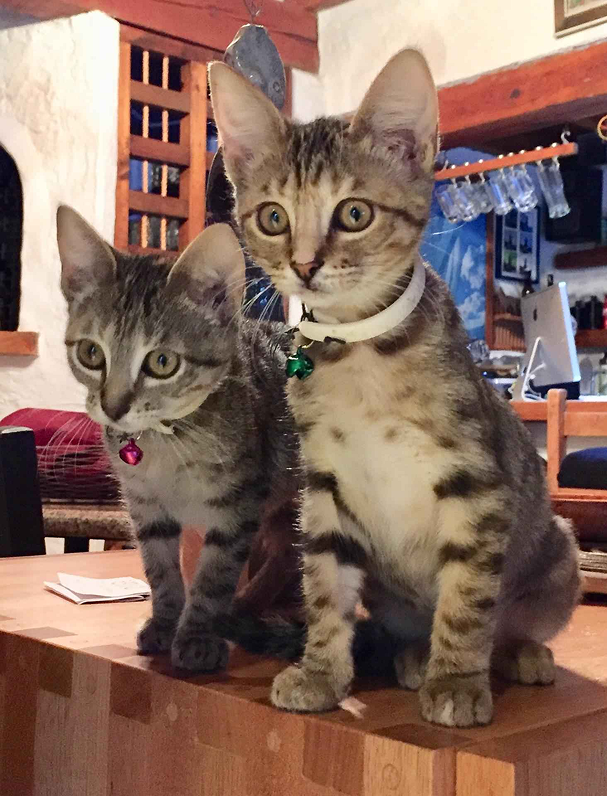
I had brought with me two kittens that were left on my design studio’s doorstep by a neighbour and two stray dogs that had come to my house looking for food and shelter.
We waited for three hours for the technicians to arrive and then the signup process started while the doctors set up their surgery space in the outdoor garage of the fire station, which was dusty and unsanitary. One by one they started calling us by name to bring our pets past a tarp that separated the entrance from the makeshift surgery room.
Our pets were put under anesthesia and then we were asked to wait outside. After a few hours I saw drowsy dogs who had recently come out of anesthesia brought outside to the owners, and the vets allowed them to go home. I waited for five hours and still no news about my kittens,. It turned out the vet did not have the correct anesthetic for cats, so they used dog anesthetic instead. There was panic as one of my kittens was not coming out of the anesthesia; we found out she had kidney problems because it took a very long time for her to regain consciousness.
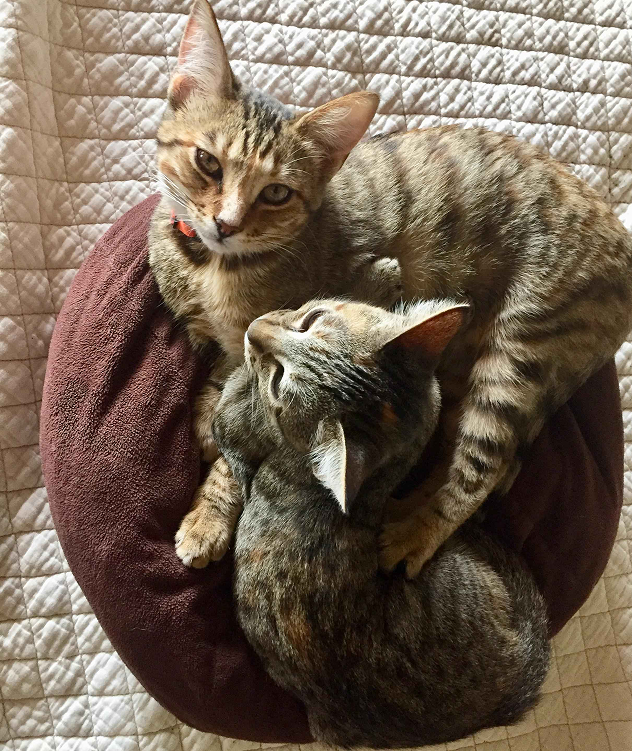
I identified pain points along the journey towards affordable spaying and neutering campaigns for both human and animal stakeholders. We looked at the patient’s journey — in this case street dogs and cats — and planned for a better experience for them by treating them as more-than-human stakeholders. This experience of becoming the user and participating in the actual user experience was the most influential part of our research.
We experienced all the barriers, pain points and complications that a user would face. This built actual empathy for the user’s experience and not UX theater based on assumptions about how things work.
When things are poorly designed, problems stick out like a sore thumb. If I wanted to have any real impact, I would have to redesign and host my own spaying and neutering campaigns. This experience allowed me to design a better spaying and neutering event based on observation of actual human behaviour. This was the birth of Ayudog as a not-for-profit organization that covers the cost of spaying and neutering procedures.
The Process
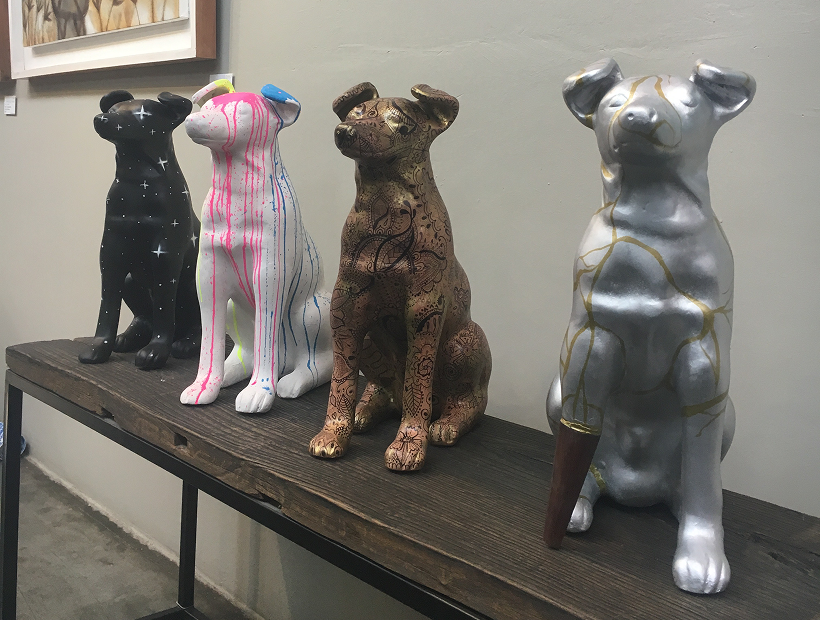
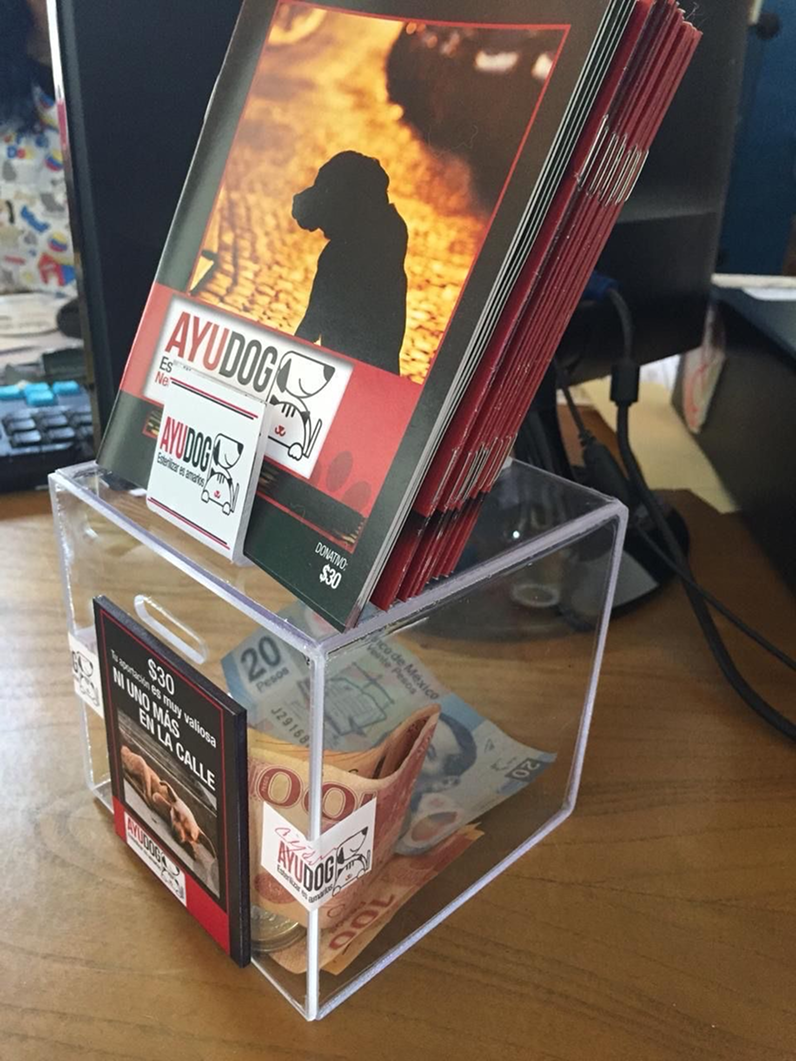
The first intervention that Ayudog co-founders and volunteers tried was to auction off four ceramic dogs that were painted by me, a Mexican artist. The profits were used to pay the cost of printing an educational booklet to dispel common myths about spaying and neutering that had come up in conversations with stakeholders. We built 15-20 acrylic cash donation boxes and we left them with business owners around Valle de Bravo. We asked people for a 30$MXN (2$ CAD) donation in exchange for a booklet. This initial project failed because people did not want to “pay” for the booklet and also many donation boxes mysteriously disappeared or would be found empty. With the donations that we did receive, we purchased four Tomahawk cages of different sizes that we used to catch feral cats and dogs that were not easy to handle and brought them in for spaying and neutering at a veterinarian clinic.
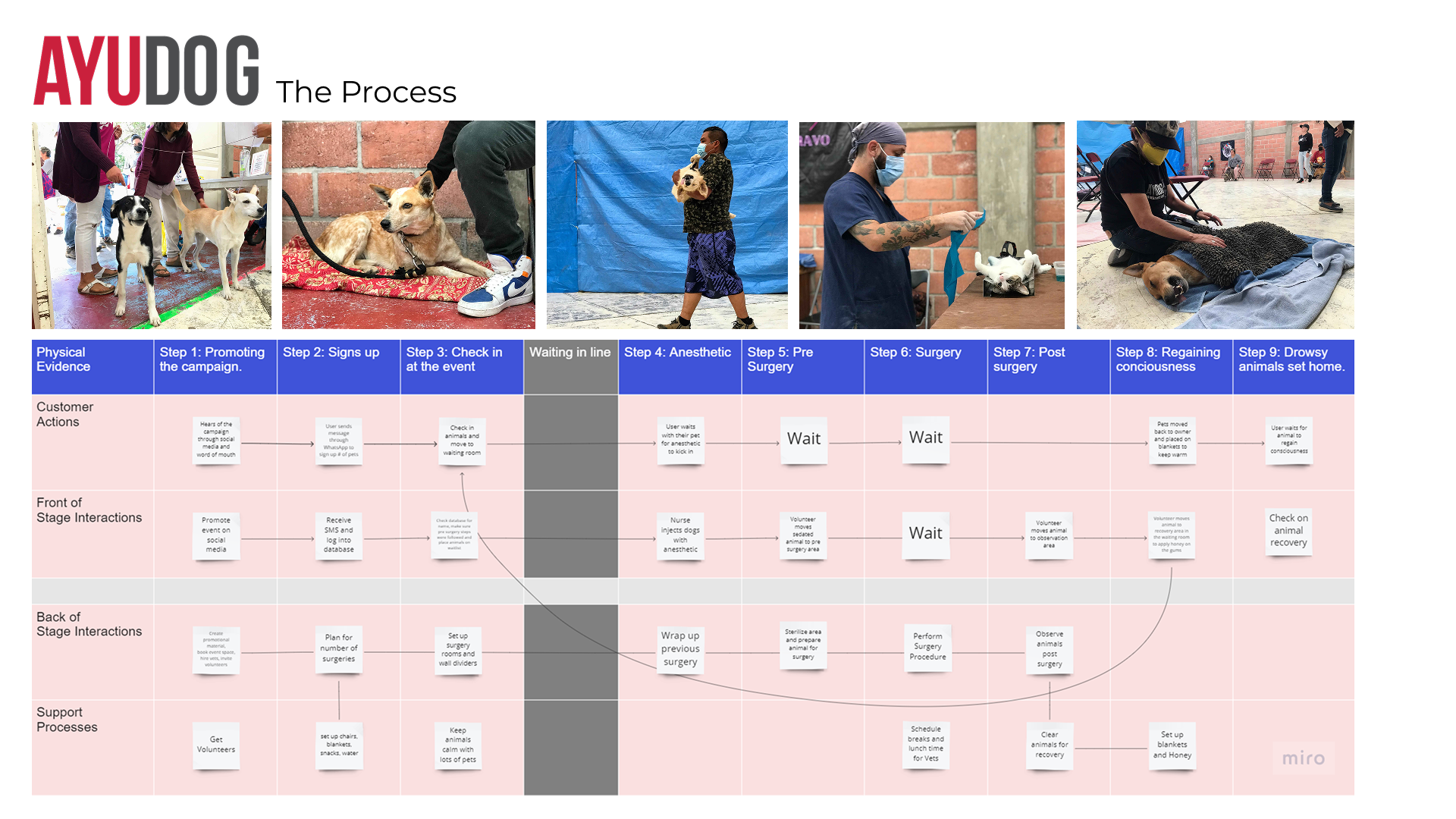
After our experience participating in the government-run spaying and neutering campaign, our process changed. We decided to formalize Ayudog as a volunteer-led organization that would facilitate the spaying and neutering campaigns and offer them as a public service. I employed a service design lens and broke down the processes into steps, taking into consideration the different journeys of the actors involved: low-income stakeholders, the volunteer team, the team of veterinary technicians and the patient/animals (our more-than-human stakeholders).
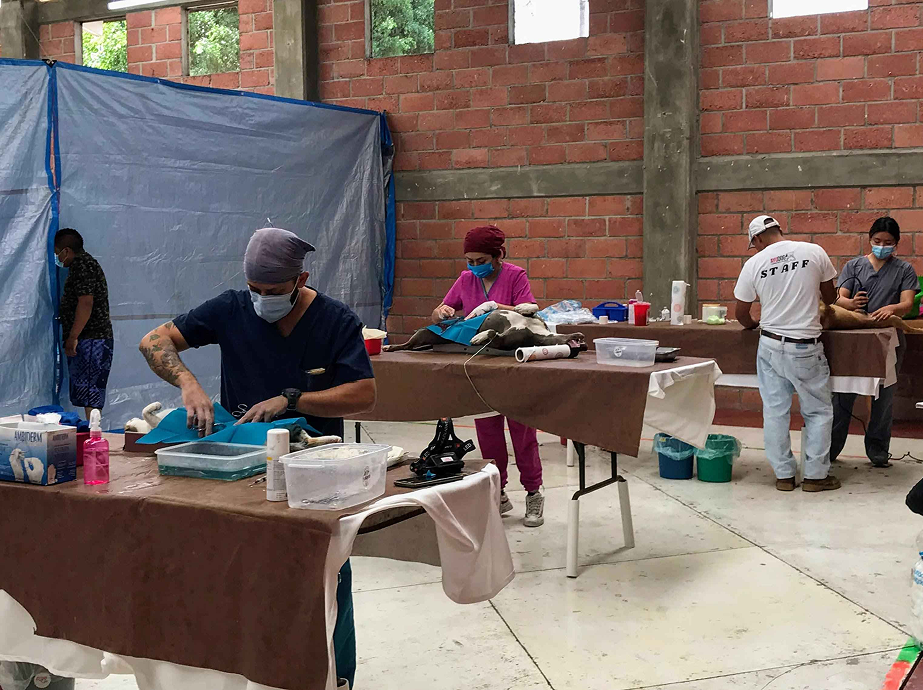
Redesigned Spaying and Neutering Events
1 Sign up process
2 Check-in at the event
3 Pre-surgery
4 Surgery
5 Post Surgery/Recovery
We have expanded our operations from spaying and neutering campaigns to also facilitating adoptions and finding foster homes for animals. We created an alliance with the Valle de Bravo Canine Center, which houses on average 70-90 dogs, and with the help of Save Our Scruff (SOS), a Canadian organization, we have found homes for some of our best dogs in loving Canadian homes in Ontario and B.C. Employing a design research and service design lens, I flew to Mexico to pick up four dogs scheduled for adoption through SOS. I wanted to experience first-hand what the process of being a flight parent was like and identify what issues a user might encounter on their journey across transporting animals to the airport, pre-flight, check-in, immigration process and paperwork, and delivering the dogs safely to their Canadian fosters.
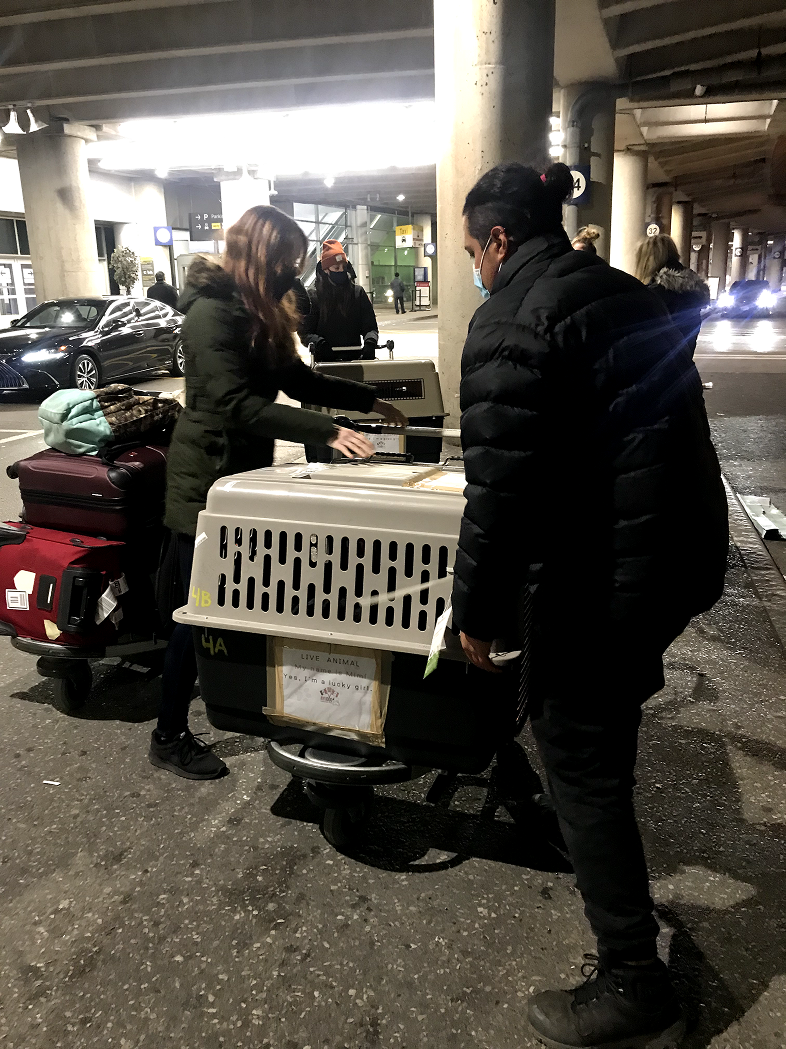
Flight Parent Experience
1 Set up of kennels
2 Check in to flight
3 Security inspection
4 Flight
5 Baggage claim and dog pickup
6 Immigration processing and paperwork
7 Leaving the Airport with the animals and handing over to SOS

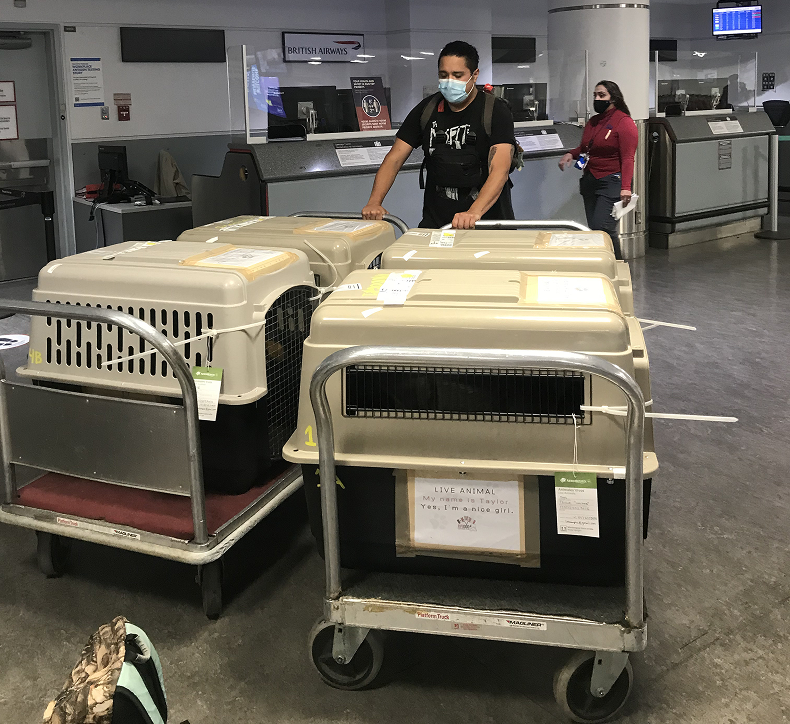
Last year I collaborated with the co-founders and the CEO to map the business model and strategy for the next five years. To continue on our mission and expand our operations, we need to be more effective at collecting donations. I redesigned the website to tell our story more effectively and led the UX design to make the donation process easier and available online. This will fund our new adoption program, and we will continue to expand the capacity and frequency of our spaying and neutering events.

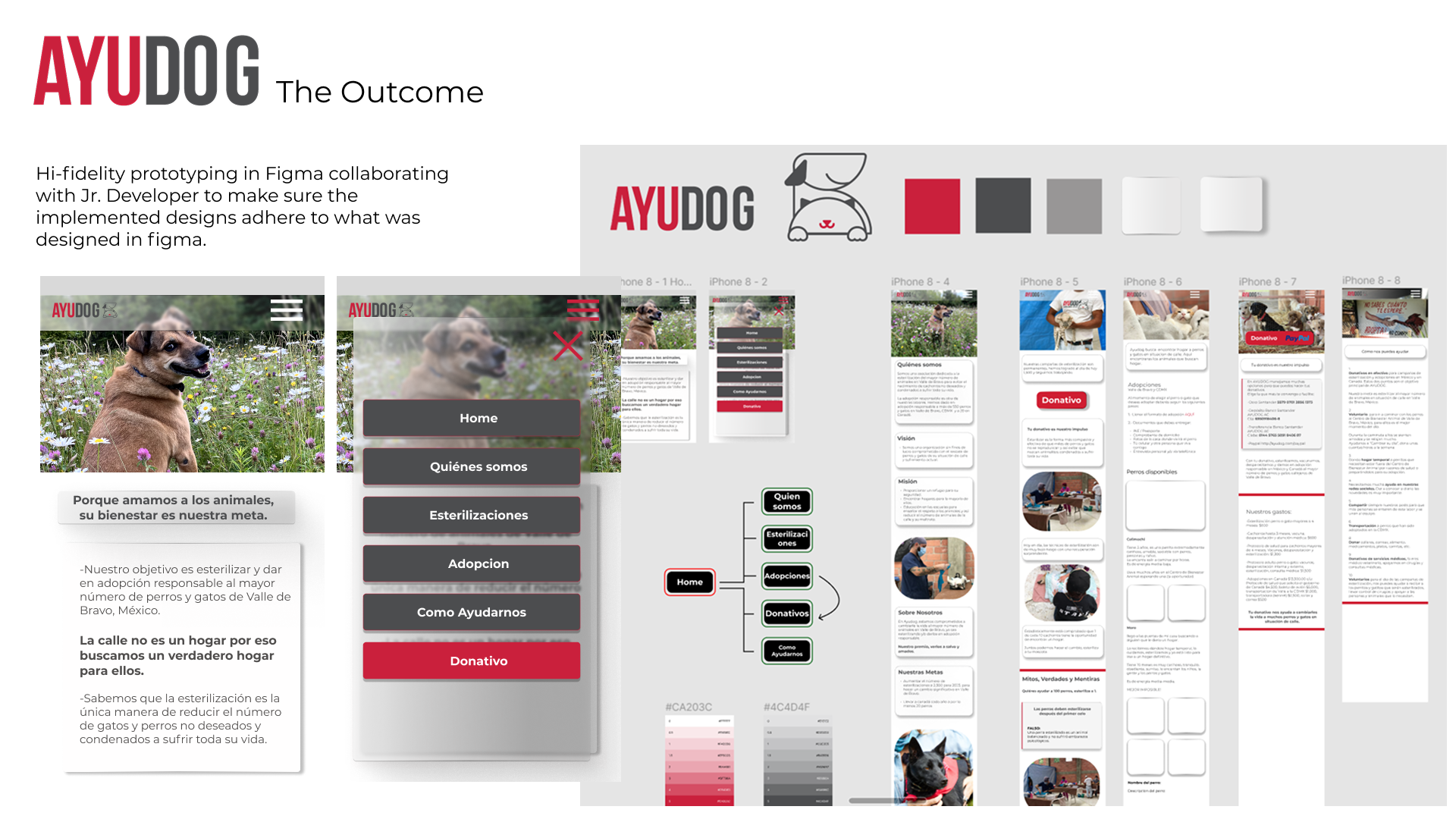
UX Design work for Ayudog’s website
The Outcome
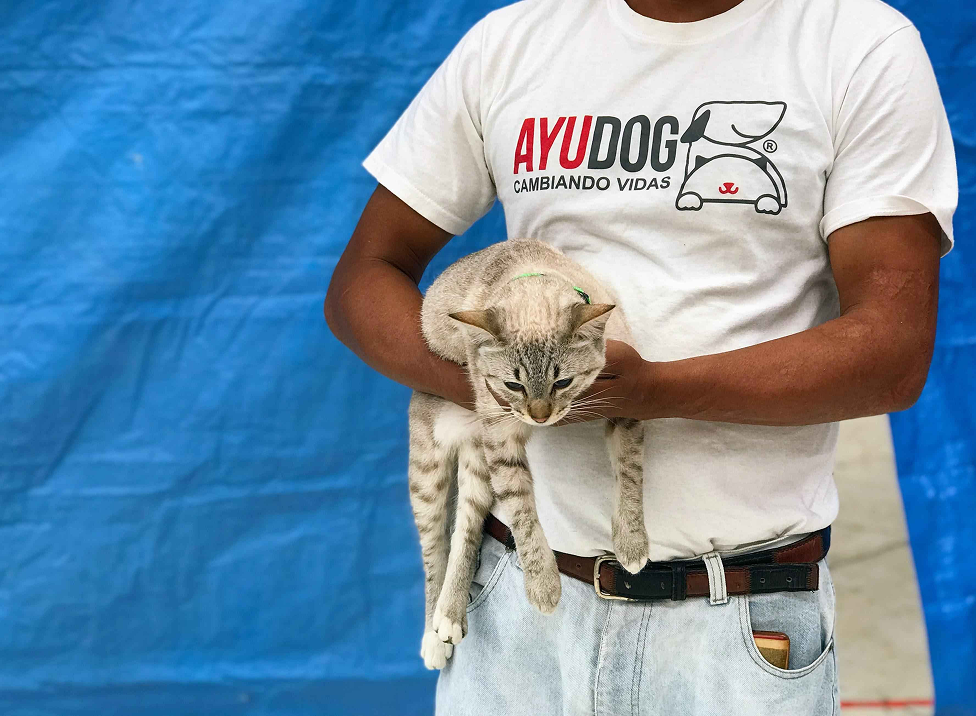
Ayudog has now hosted more than 50 spaying and neutering campaigns using this model as our organization has grown in scale and impact. We currently hold our personal record as 250+ animal sterilizations in one event. Combined, we have safely and effectively spayed and neutered over 4900 animals. Compounded over the last ten years, this means that we have prevented the birth of over 24,500,00 animals that would have been doomed to living on the streets and becoming victims of abuse and mistreatment. We have helped over 3,000 families. Our model has been so successful that the government has begun to replicate it and has improved their original process. This shows how Ayudog has been leading by example.
We have built a community around our mission by allowing volunteers to help us however they can, either by donating money or donating their time to help facilitate these events. By building community and helping empower people we developed a natural co-designing of the organization that allows volunteers to participate how they want to participate, fostering a feeling of belonging to the organization.
I chose to share this case study with you because it is proof that the power of design can be applied to solving problems beyond aesthetics. It is proof that involving participants and looking at actual human behaviour to develop real empathy for the user is the best way to design interventions. Our actions were able to effect systemic change because Ayudog operates at the intersection of government agencies, volunteer-led engagements and vulnerable populations of humans and animals, and we were able to facilitate communication and collaboration between these groups of stakeholders that were previously siloed.
All stakeholders have benefited from Ayudog’s interventions, and we have improved the lives of over 2000 dogs and cats. I have learned to develop an adaptive design process. This means that I don't have a strict process that magically promises good results every time. Instead my process of mixed methods is one that adapts to each situation depending on the unique combination of actors involved, the problem we are trying to solve and the resources at our disposal.
Video evidence of one of our most recent spaying and neutering events.
I also wanted to share this project specifically because it's a great example of my combined knowledge and skill as a design researcher, service designer, UX designer, design strategist and systemic designer. It also shows my values and purpose to use design to make the world a better place for humans and more-than-human stakeholders.

Make a donation.
Help us dissolve the problem of animal suffering on the streets and alleviate a socio-economic burden on rural populations in Mexico. 100% of the money will go to paying for the medical procedures of street dogs and cats. QR code links to Paypal or click the button bellow to explore other options.
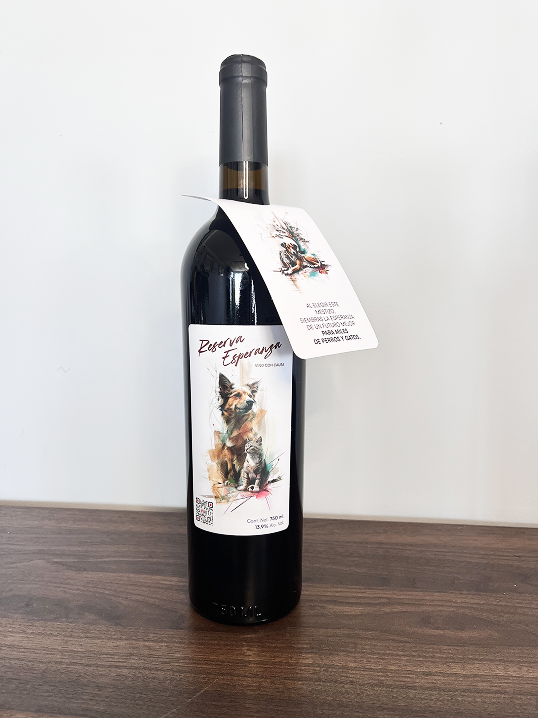
This wine is a mutt like our street dogs
A unique combination of three different grapes that give it its unique flavors that match the unique personalities of our dogs.
100% of profits go to fund our spaying and neutering campaigns.
Tags: More-than-Human Centered Design, Service Design, Design Research, Strategic Design, UX Design, UI Design, Systemic Design, Design for Good, Community Service, Volunteer,